Key Recommendations for a Winning Solar Panel Installation: Boost Your Energy Savings
Successfully installing solar panels requires thoughtful preparation and knowledgeable choices. Property owners need to assess their home's solar capacity and choose an appropriate panel system. Furthermore, selecting a reputable installer and understanding accessible financial incentives are critical steps. Without sufficient attention to these factors, potential energy savings might be diminished. What are the primary considerations in each of these areas that can significantly impact the performance and efficiency of a solar installation?
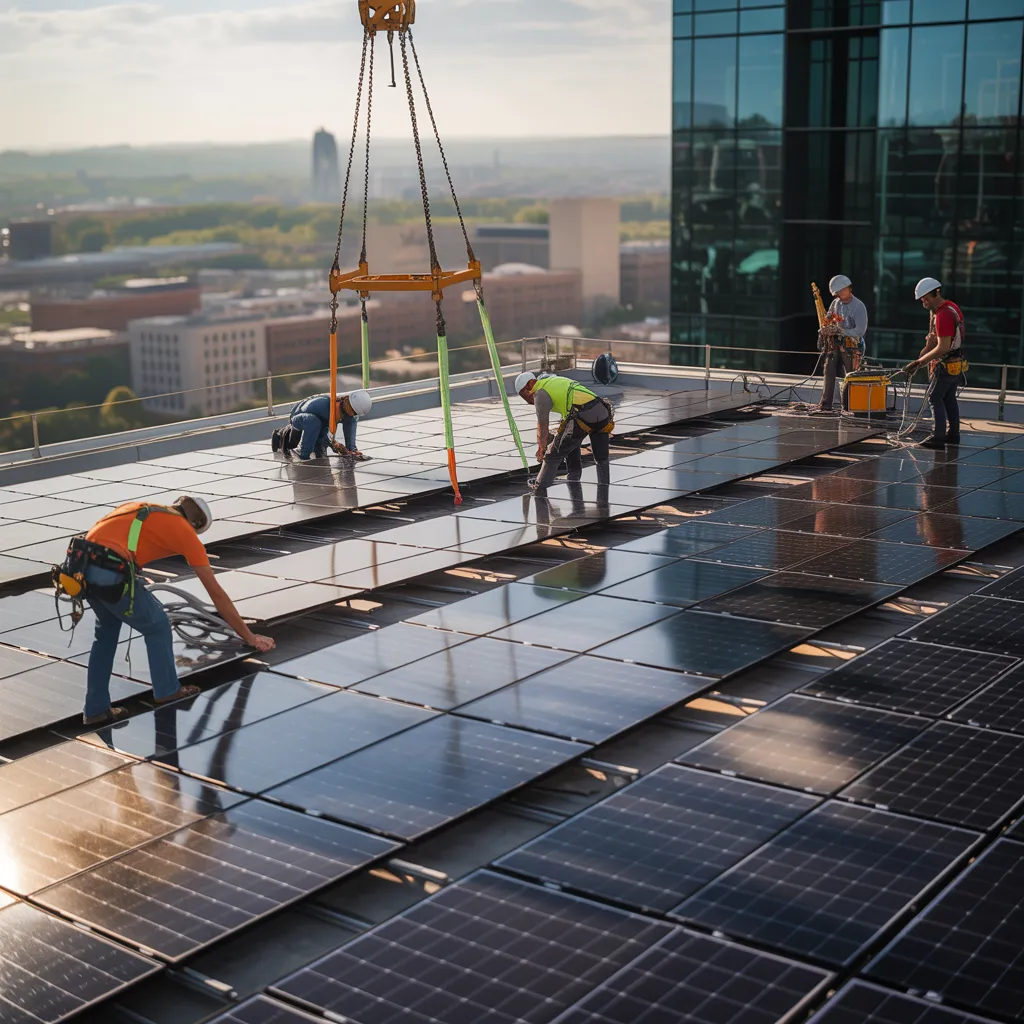
Steps for Installing Solar Panels
Installing solar panels encompasses several critical steps that guarantee optimal performance and longevity. The first step is conducting thorough research to select the right type of solar panel that fits the homeowner's energy requirements. Next, obtaining the necessary permits is essential, confirming compliance with local regulations and guidelines.
When permits are secured, the installation site should be prepared, which includes evaluating the roof's structural integrity and verifying it can support the solar array. Proper positioning is critical; panels must be positioned to optimize sunlight exposure while reducing shading from surrounding structures or trees.
After proper positioning, the panels can be mounted, followed by linking them with the inverter and electrical system. In conclusion, a professional inspection should be conducted to verify that everything operates correctly and safely. By meticulously following these steps, homeowners can achieve a successful solar panel installation that optimizes energy efficiency and durability.
Evaluating Your Home's Solar Viability
What methods can homeowners use to determine their property's solar suitability? Evaluating a home's solar potential includes several key factors. Firstly, the orientation and pitch of the roof play an important role; ideally, roofs should face south or copyright to increase sunlight exposure. Homeowners should also examine any shading from trees, buildings, or other obstructions, as this can greatly reduce solar efficiency.
Additionally, where you live matters significantly, as areas with more sunlight hours per year will yield superior energy production. Homeowners should consider their local climate, including seasonal fluctuations in sunlight. Furthermore, the size of the roof and available space for solar panels will affect the system's capacity.
In conclusion, homeowners can employ online tools or consult with solar experts to complete a complete assessment, making sure they make informed decisions about their solar energy investment.
Choose the Ideal Solar Panel System
In the process of choosing the top solar panel system, homeowners must take into account several essential factors that can affect both performance and cost-effectiveness. To begin with, they should review the efficiency ratings of different solar panels, as improved efficiency provides superior energy output per square foot. Following this, the type of solar panel—monocrystalline, polycrystalline, or thin-film—can influence overall costs and installation requirements.
Home buyers should additionally consider the warranty and service life of the panels, as a more extended warranty typically signifies a manufacturer's confidence in their product. Moreover, it is essential to take into account the energy demands of the household to determine the correct system size. Investigating available government incentives and financing options can further increase affordability. Ultimately, examining customer reviews and product certifications can provide valuable data into the reliability of specific solar panel brands, confirming that homeowners make a well-informed choice.
The Way to Pick a Dependable Solar Installer?
What criteria should homeowners consider to guarantee they choose a trustworthy solar installer? To start, they should check the installer's credentials, find the facts ensuring they are licensed and insured. This secures homeowners from prospective risks and verifies that the work conforms to local regulations.
After this, examining the installer's reputation is critical. Homeowners can check online reviews, seek references, and explore industry certifications, such as the North American Board of Certified Energy Practitioners (NABCEP).
Experience represents another crucial element; installers with a proven track record are better positioned to deliver quality service. Homeowners should also ask about warranties and maintenance services, as these can affect long-term satisfaction and savings.
Last but not least, securing multiple quotes permits homeowners to compare pricing and services, ensuring they pick a provider that offers value without undermining quality. By implementing these best practices, homeowners can make educated decisions and pick a trustworthy solar installer.
Learn About Local Rebates for Solar Panel Setup
Are homeowners aware of the many local incentives available for solar panel installation? Several regions provide programs aimed at lowering the financial burden of shifting to solar energy. These incentives can include tax breaks, rebates, and grants that greatly lower upfront costs. Homeowners should explore federal, state, and municipal programs, as they fluctuate considerably by location.
In addition, some utility companies give incentives for customers who invest in solar panels, even more improving potential savings. These initiatives may also offer net metering, allowing homeowners to sell excess energy back to the grid, providing additional financial advantages.
Prepare for Solar Panel Installation at Your Home
What does preparing for a solar panel installation at home? Preparation is fundamental for a smooth installation process. Initially, homeowners should evaluate their current energy consumption to understand potential savings. This involves reviewing past utility bills and determining energy needs. After that, it is imperative to evaluate the property's solar potential, which includes assessing roof orientation, shading, and structural integrity. Homeowners should also prepare the installation area of any obstructions, such as branches or debris.
In addition, getting necessary permits and understanding local laws is critical to circumvent installation delays. Communication with the installation company is critical; homeowners should discuss timeframes, installation techniques, and any particular requirements. Additionally, considering how solar panels may affect property aesthetics will help homeowners make educated decisions about panel placement. By taking these steps, homeowners can achieve a more effective and successful solar panel installation.
The Complete Guide to Solar Panel System Monitoring and Maintenance
Supervising and upkeeping a solar panel system is crucial for maximum efficiency and longevity. Routine performance checks, a reliable cleaning schedule, and resolving common issues promptly can substantially increase energy production. By implementing these practices, homeowners can ensure their solar investment remains productive over time.
Routine Performance Surveillance
Even though solar panels are built to be efficient and durable, regular performance monitoring is essential to confirm they operate at peak efficiency. Homeowners should employ monitoring systems that track energy production and consumption. These systems can offer real-time data, allowing users to identify any discrepancies between expected and actual performance. Furthermore, reviewing energy bills monthly can help detect sudden drops in energy generation. Keeping an eye on system alerts or notifications from the solar provider can also assist in timely identification of issues. By maintaining consistent performance checks, homeowners can verify their solar panel systems are performing at their best, ultimately maximizing energy savings and extending the lifespan of the installation. Regular monitoring is a key component of effective solar energy management.
Maintenance and Cleaning Schedule
Establishing a regular cleaning and maintenance schedule is vital for guaranteeing the longevity and efficiency of solar panel systems. Generally, panels should be cleaned at least two times annually, or more frequently in dusty or high-pollen areas. Scheduled inspections can help detect debris buildup, such as leaves or bird droppings, which can impede sunlight and reduce energy output. Moreover, checking for any signs of wear or damage guarantees prompt repairs, further boosting efficiency. Homeowners should also monitor the inverter's performance through monitoring systems, as this can help spot any irregularities. By following a consistent maintenance plan, individuals can maximize their solar investment and sustain optimal energy savings over time.
Resolving Typical Issues
How can homeowners effectively troubleshoot common issues with their solar panel systems? The first step involves monitoring power production using an inverter display or monitoring software, detecting any gaps between expected and real performance. Periodic visual assessments can identify issues such as dirt collection, tree shade, or damage to the structure. Residents should inspect the inverter for caution lights or error notifications that reveal specific problems. Moreover, verifying that electrical connections are firmly attached and without corrosion is crucial. Should problems continue, reaching out to a professional installer or technician offers expert guidance and fixes. Regular upkeep and prompt problem-solving are vital for optimizing the performance and lifespan of solar panel systems.
Frequently Asked Questions
What Is the Expected Lifespan of Solar Panels?
The average lifespan of solar panels typically ranges from 25 to 30 years. With age, their efficiency can gradually reduce, but many manufacturers offer warranties that ensure performance levels for much of this time span.
Can Solar Panels Operate during Cloudy Weather?
Yes, solar panels can operate in cloudy weather, though their efficiency diminishes. They still capture diffused sunlight, permitting energy generation. Homeowners may notice reduced output, but solar systems continue to be functional even on overcast days.
What Impact Do Solar Panels Have on Home Resale Value?
Photovoltaic systems can beneficially impact home resale value by engaging environmentally conscious buyers, lowering energy costs, and presenting potential tax incentives. This investment frequently elevates the property's appeal and can lead to higher selling prices.
Are There Payment Plans for Solar Panel Installations?
Multiple financing solutions can be found for solar panel installations, including solar loans, leases, power purchase agreements, and government incentives. These alternatives help homeowners to reduce upfront costs while enabling access to renewable energy systems.
Is Extensive Maintenance Needed for Solar Panels?
Solar panels demand little maintenance, chiefly including routine cleaning and scheduled inspections. Their robust construction ensures long-term durability, with most installations requiring nothing more than periodic inspections to sustain efficiency and avoid debris accumulation that could impact performance.
Comments on “Compton’s Top Rated Solar Panel Installation”